 Shelter and Building
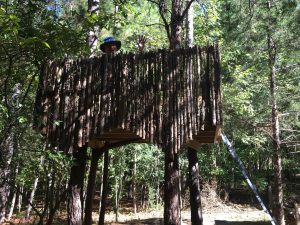
Jack’s relationship with building started early and never really stopped — clubhouses, treehouses, and platforms suspended and made from salvaged materials and bamboo when he was a kid in the 1960s. By 1974 he was building boat docks and working as a carpenter’s apprentice on conventional houses, and his time at Warren Wilson College turned that hands-on instinct into genuine heavy-equipment fluency: demolishing buildings, salvaging materials, prepping sites with dump trucks, dozers, cherry-pickers, front-end loaders, and forklifts, and relocating mobile homes. It’s the kind of resume that reads like a construction company’s equipment list, except it’s one person who learned to run all of it.
In college that skill set collided with his renewable energy work for the first time: he designed and built a bioshelter — a 30-foot, 2-frequency geodesic dome — paired with a Savonius wind turbine, an early example of the “grow food and power it too” thinking that would define so much of his later career. In 1978, on Andros Island in the Bahamas, he salvaged and repurposed construction materials.
The Peace Corps years pushed the building side further still: a meeting house made from bamboo, grass, and wattle-and-daub; salvaged barn materials repurposed into new structures; wind turbines installed for pumping and milling; biogas systems developed from the ground up.
Back in the U.S., he designed the J Deck House for Habitat for Humanity West Virginia, and during grad school built and used a Regeneration Center across four separate set-ups, developed a housing cooperative, and helped design the Integrated Reuse Recycling Facility with Urban Ore — the same recycling lineage that runs through his waste management work — while managing composting operations for private, city, and university clients.
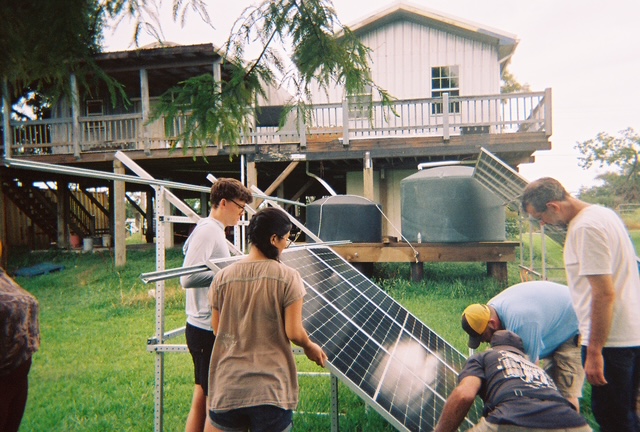
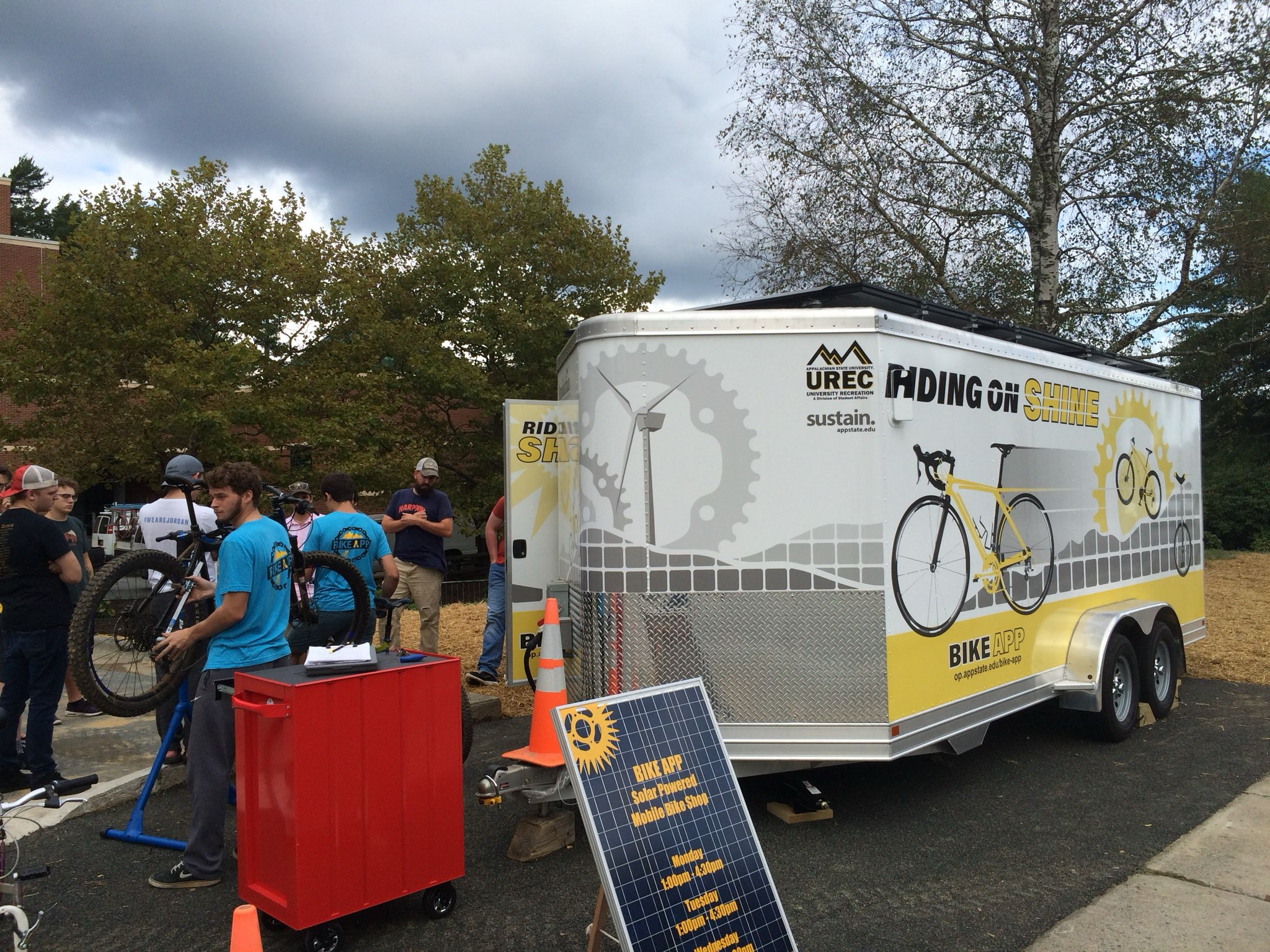
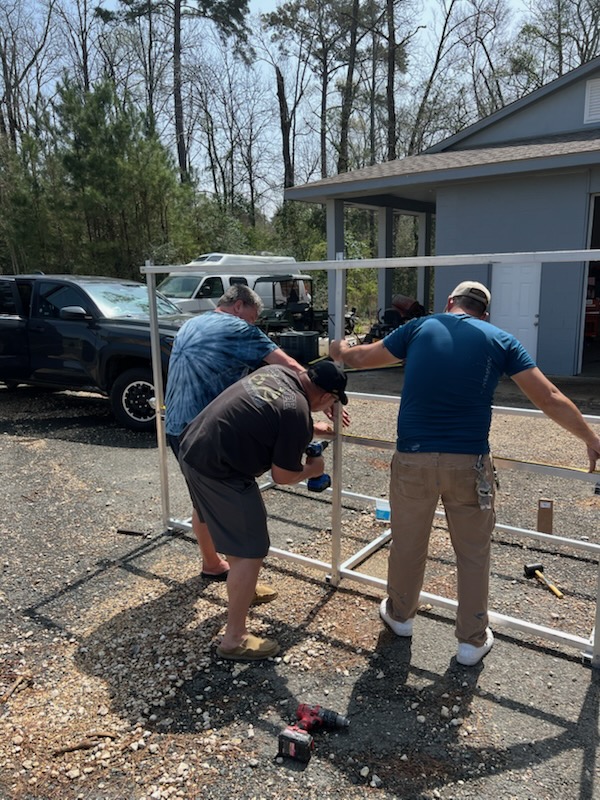
Since 1992, the list of building methods he’s actually gotten his hands dirty with reads like a survey course in alternative construction: crew on fourteen Habitat for Humanity homes in North Carolina, rammed-earth block production and construction using a Cinva press, insulation systems built from earth, glass bottles, and plastic containers, fold-out home designs and three separate SIP panel designs, and construction with cob, cordwood, and strawbale. He’s worked on an Earthship, designed and taught workshops on portable solar, and designed a floating home model that won Most Innovative in a design competition. He’s built with Autoclaved Aerated Concrete blocks, judged the NC Alternative Housing Design Competition and the national Solar Decathlon, and designed and built a portable workshop. Lately, he has been exploring shanty boats, which are a sort of tiny house/houseboat combination.
Whether salvaging barn wood in the Bahamas or judging the Solar Decathlon, Jack brings the same grounding commitment: that how we build reflects how we live, and that sustainable design is not a specialty but a responsibility.