Jack’s fascination with renewable energy started in front of a screen — science fiction that imagined a world running on sunlight, paired with a childhood curiosity about greenhouses and how a bioshelter could grow food, hold heat, and close its own energy loop.
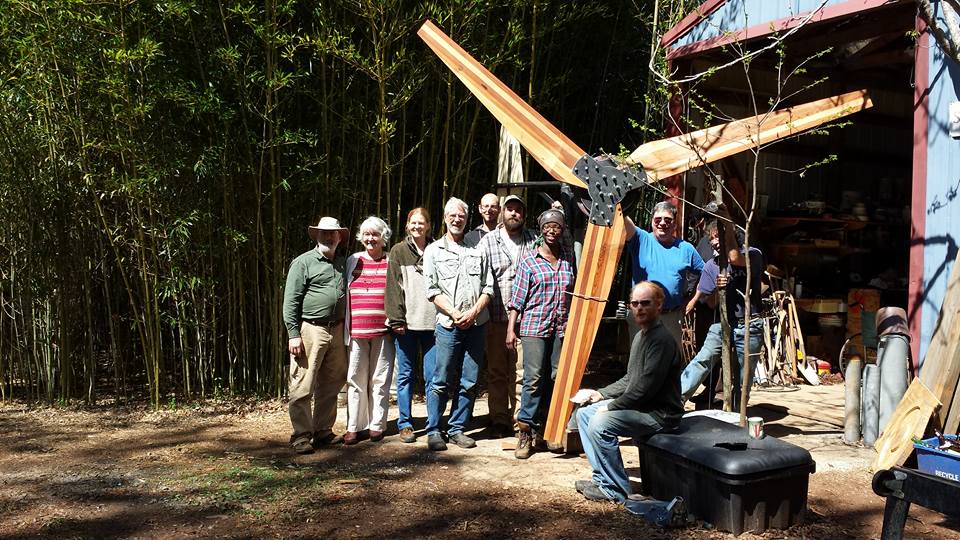
He started building rather than just imagining in 1977, with a Savonius wind turbine at Warren Wilson College, meant to pump water. That instinct followed him into the Peace Corps, from 1978 to 1980, where he built and worked with designs pulled from two pioneering appropriate-technology labs: a New Alchemy Institute Savonius turbine with a tiltable ladder frame — unlike most wind pumps, which can’t be fixed once broken, this one could actually be maintained and repaired in the field — plus a simpler New Alchemy mill built around a Toyota rear axle with cloth sails; and the VITA-designed Thalmon turbine, which locals nicknamed “the helicopter,” four horizontal wings of quicklime-coated jute bags that caught the wind on the way in and fluttered up on the way out, slow but effective for grinding grain. (The Savonius and Thalman are horizontal-axis designs, good for slow grinding or pumping; the others he worked with were vertical, closer to the design of a fan. Vertical designs tend to make the best pumps and the strongest electrical generators, since they can spin faster.) The Franco-African wind turbine project pushed the same problem-solving further, with swappable sail sets so a single tower could be tuned to whatever the wind was doing that day. Inspired by Tanzania, that same tradition gave him the largest wind pump he’s worked with — the Arusha model, named for the area where it was built: a 30-foot steel tower he used for a water project in Nepal’s Mustang region. Later, wind power took on a third purpose in his work beyond water-pumping and grain-grinding: electrical generation, through the Handy Village Institute’s Cackalacky Wind Project.
The pattern repeats across every technology he touched. Solar cookers went from concrete-and-Mylar to cardstock lined with the foil from potato chip bags — same physics, a fraction of the cost. An inertia ram pump he designed got proven out well enough to sell to others.
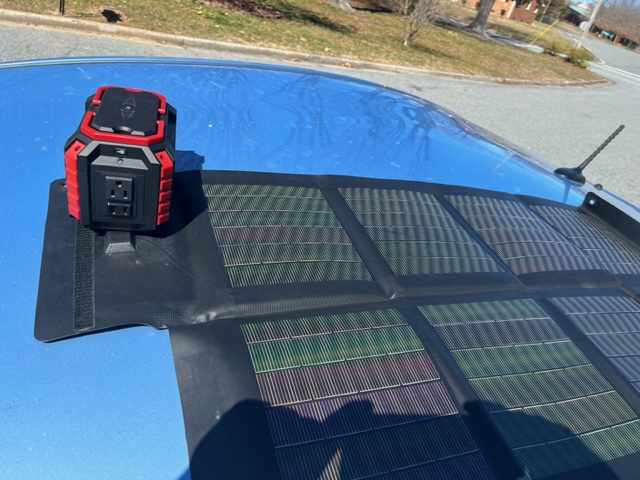
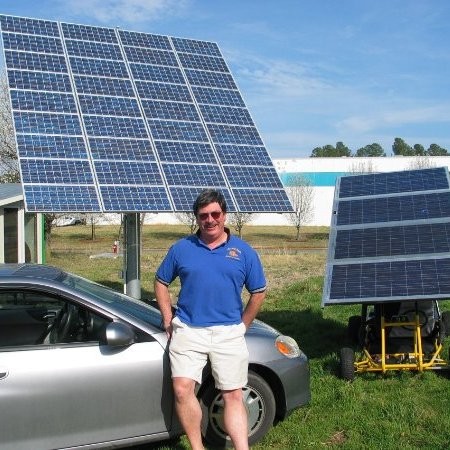
Biogas took him to three countries and three different engineering answers to the same problem: a floating bonnet over a well in India, a pressurized sealed container in China, a plastic-lined ditch chamber in the Philippines. On the biodiesel side, he built the reactors for the Burlington Biodiesel Cooperative around 2003, and was a member himself — running the fuel in his own VW diesel truck. He also taught people to distill their own alcohol to run gasoline engines, drawing on David Blume’s Alcohol Can Be a Gas. Solar PV chargers found their way onto a motorcycle, a tractor, and a truck, and by 1985 he’d built his own 220-watt PV, battery, and inverter system — genuinely early for someone doing it in a garage rather than a lab.
Later, the builder became the teacher again: solar cookers revisited with his own kids (and winning awards along the way), a PV-powered model train, a solar-powered underwater exploration vehicle, a 16-foot solar boat, and a solar go-kart carrying nearly 360 watts on its roof.
In the 2000s he trained as a SunShot Initiative instructor, studying with Solar Energy International and the National Renewable Energy Laboratory — bringing the DIY decades full circle into formal credentials. (The SunShot Initiative was a Department of Energy program launched under President Obama in 2011, aimed at making solar energy cost-competitive with traditional power sources by cutting its price dramatically over the following decade. It succeeded ahead of schedule, hitting its 2020 cost target three years early, and trained a national network of installers and instructors — including Jack — along the way.)
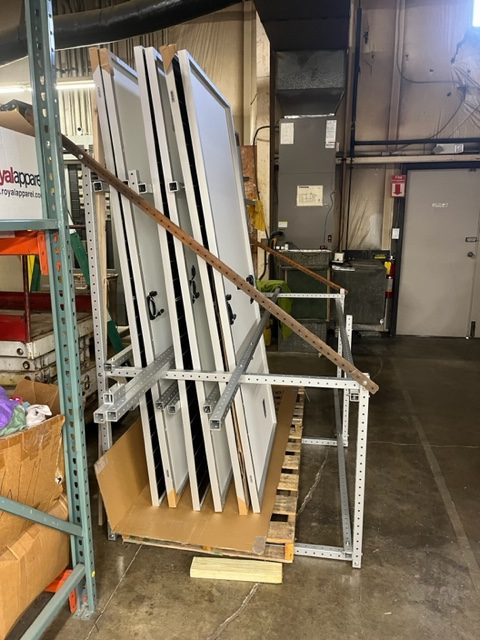
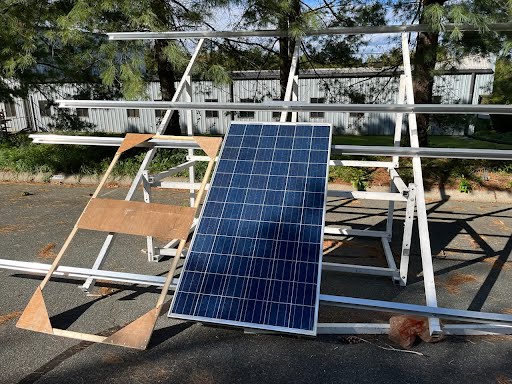
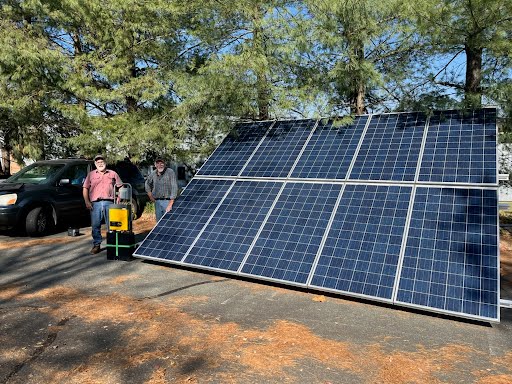
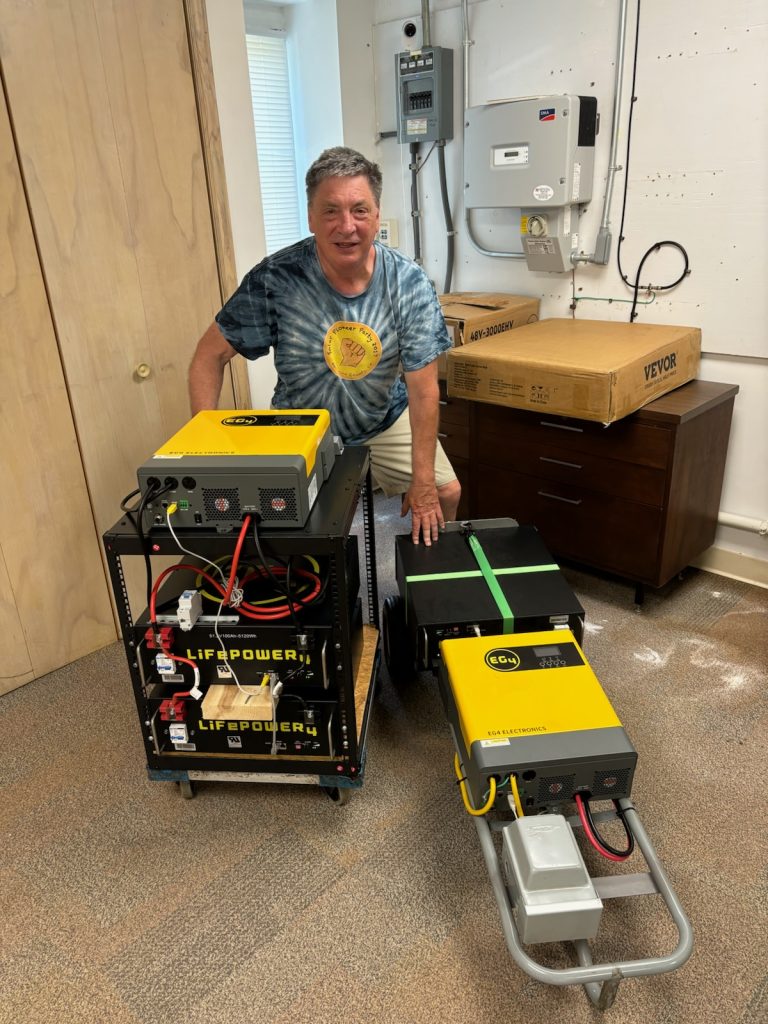
And in 2024 he launched Sky Power for the People: a portable 2-to-8-kilowatt modular solar system paired with a training program, still running today.
It’s the same thread from the quicklime-and-jute windmill to the modular solar kit: give people the tool, and teach them to use it themselves.
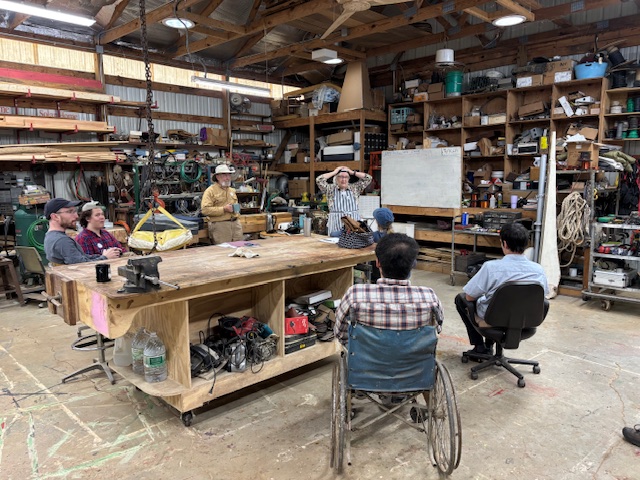
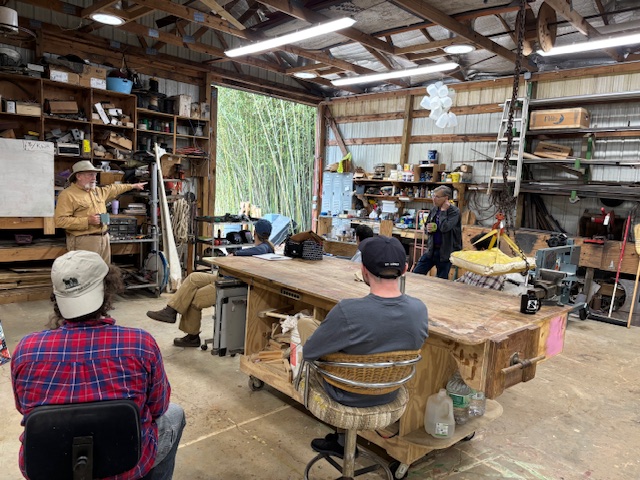
All of it — turbines, cookers, pumps, biogas, biodiesel, alcohol fuel — he eventually folded into coursework, including a course he created called Renewable Energy for Thomas Edison State University, and Energy Issues, which he taught at Appalachian State.