Cadets at the Front of the Future: Lessons from the Pulitzer Electric Aircraft Race
By Sustainable Jack Martin
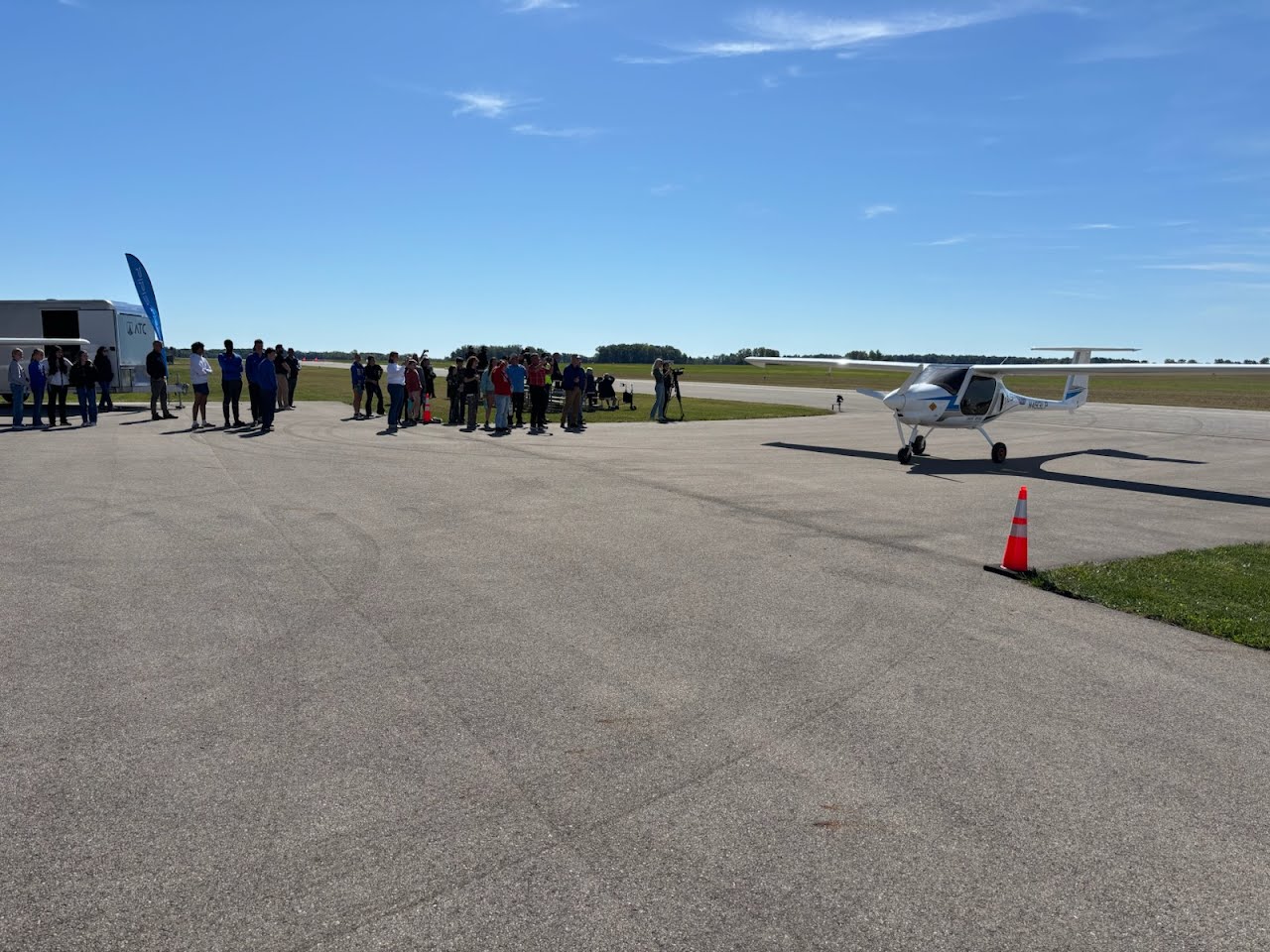
Springfield–Beckley Municipal Airport, Ohio — October 10–15, 2025. In the first running of the Pulitzer Electric Aircraft Race in a century, crewed electric aircraft flew a two-lap triangular course (~50 nm) under day VFR before a public audience. As a race judge, I saw what matters most for Civil Air Patrol: youth leadership, disciplined safety culture, and STEM learning—on display and in the air.
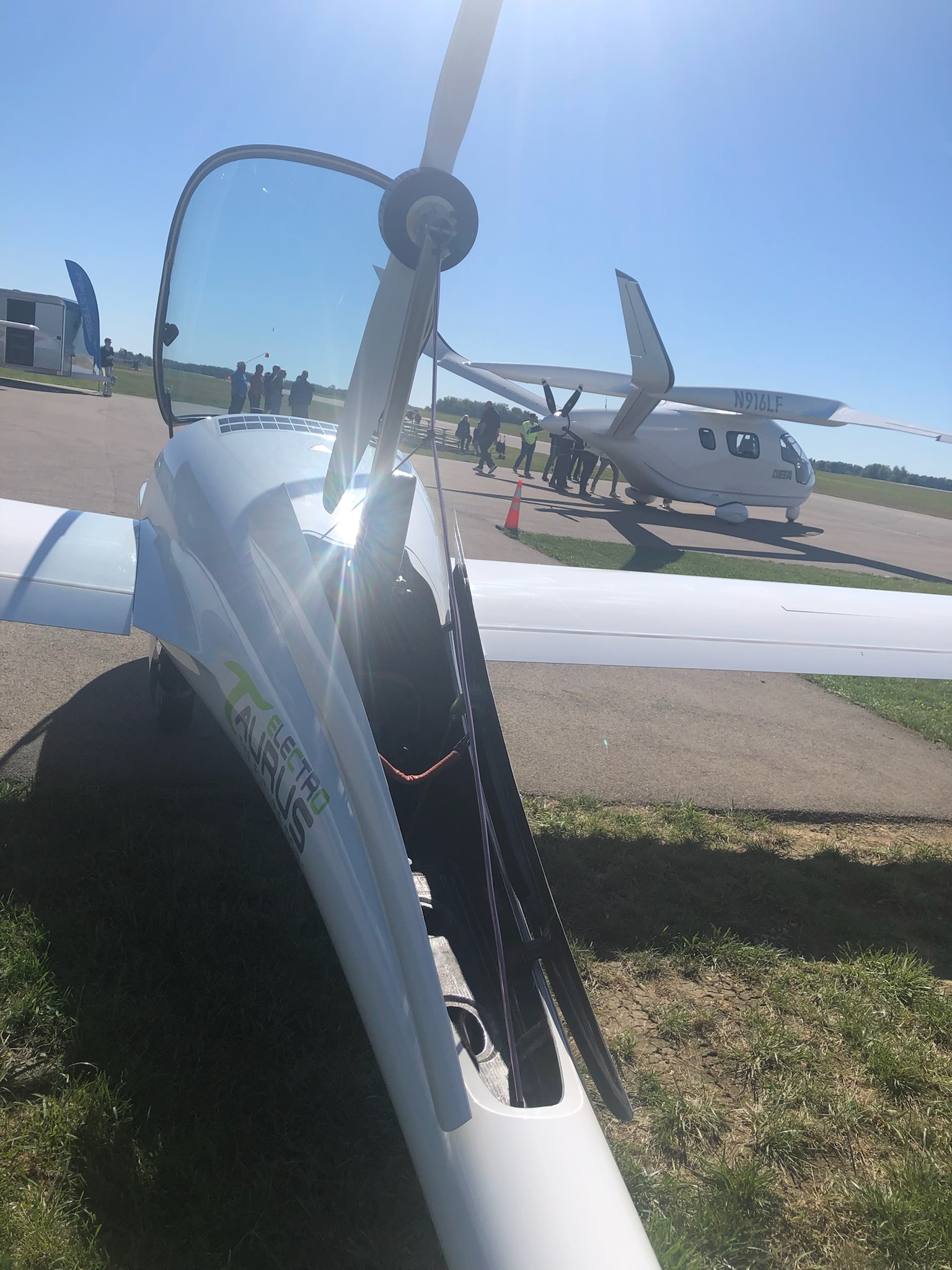
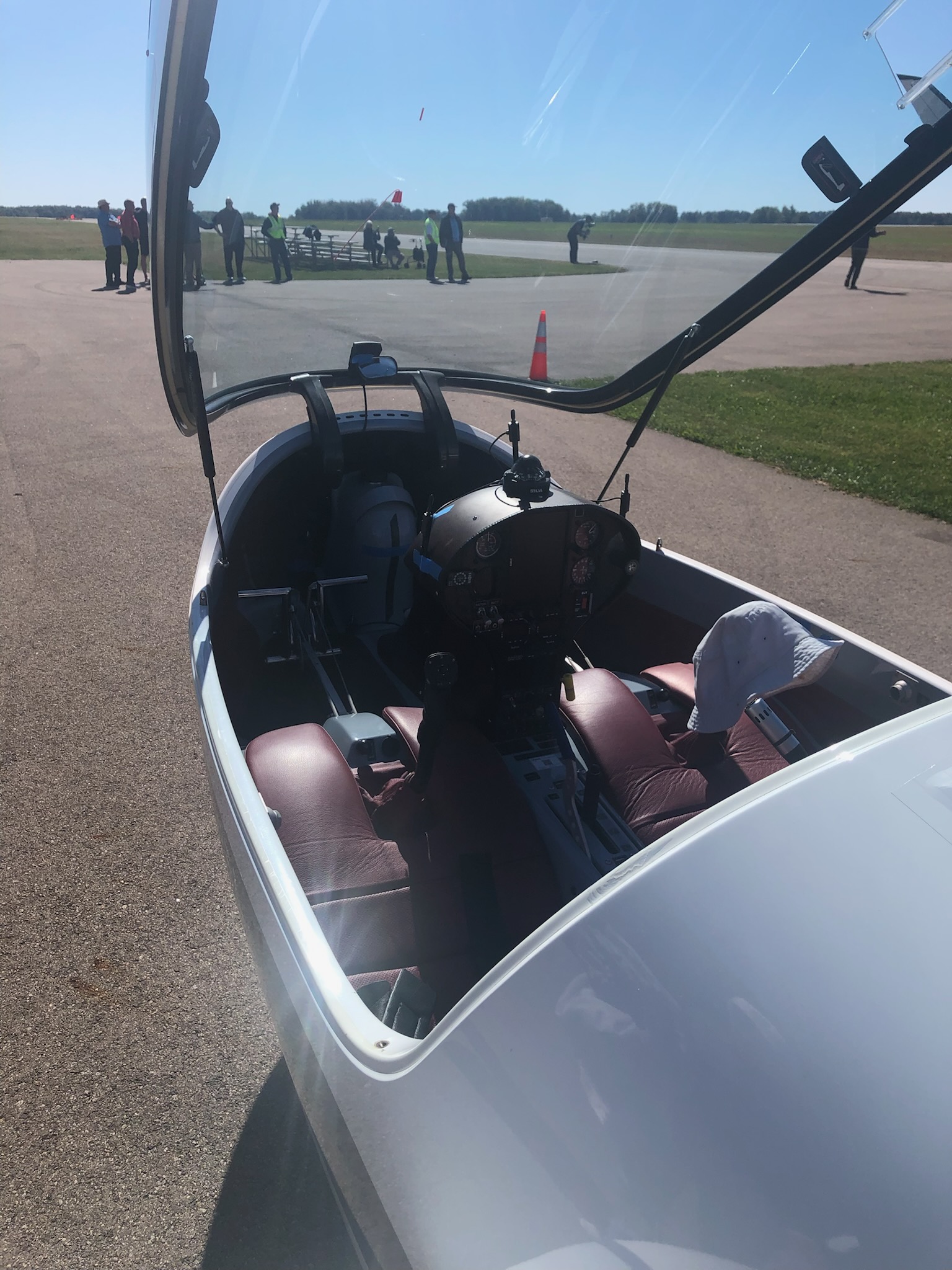
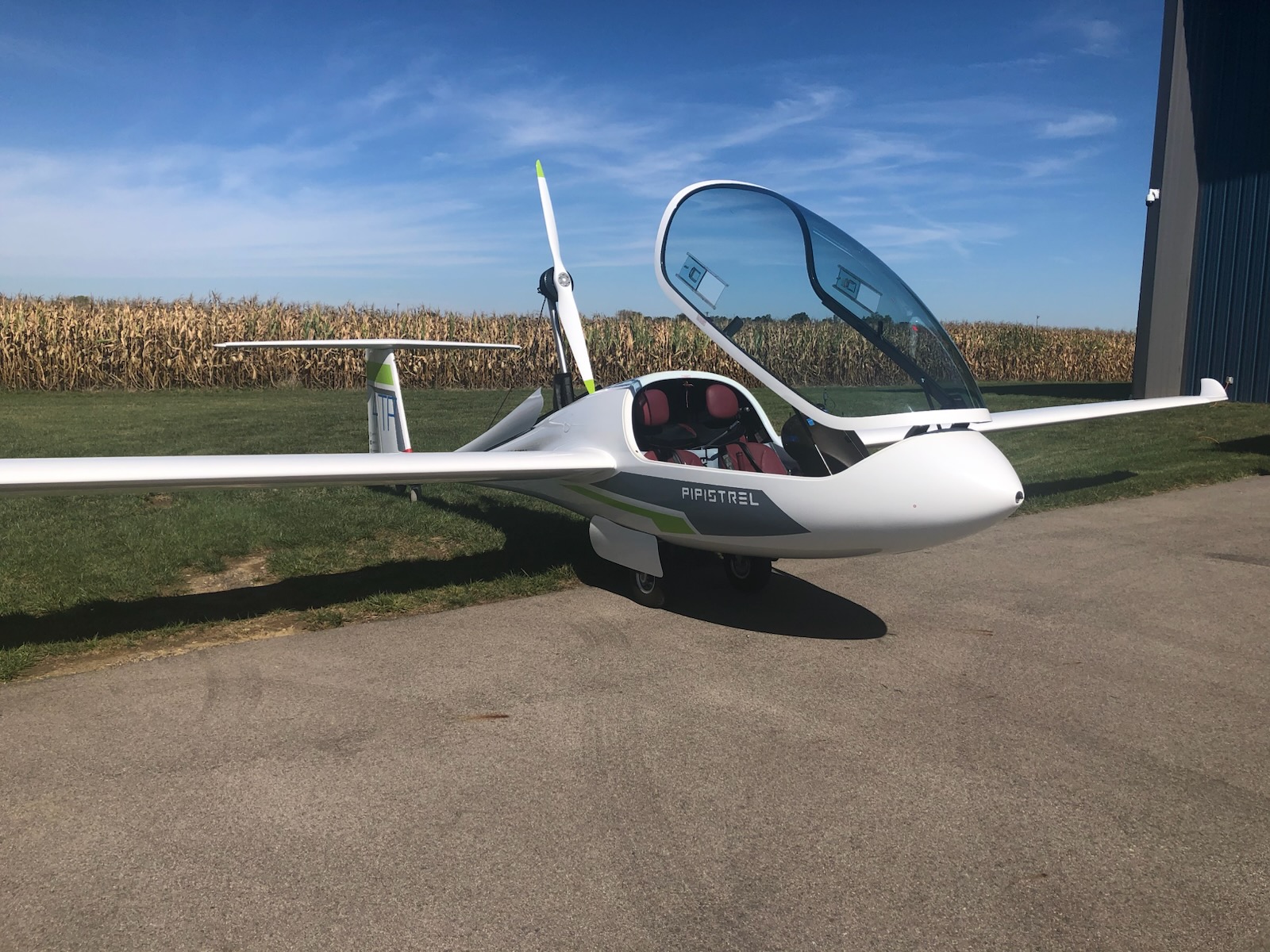
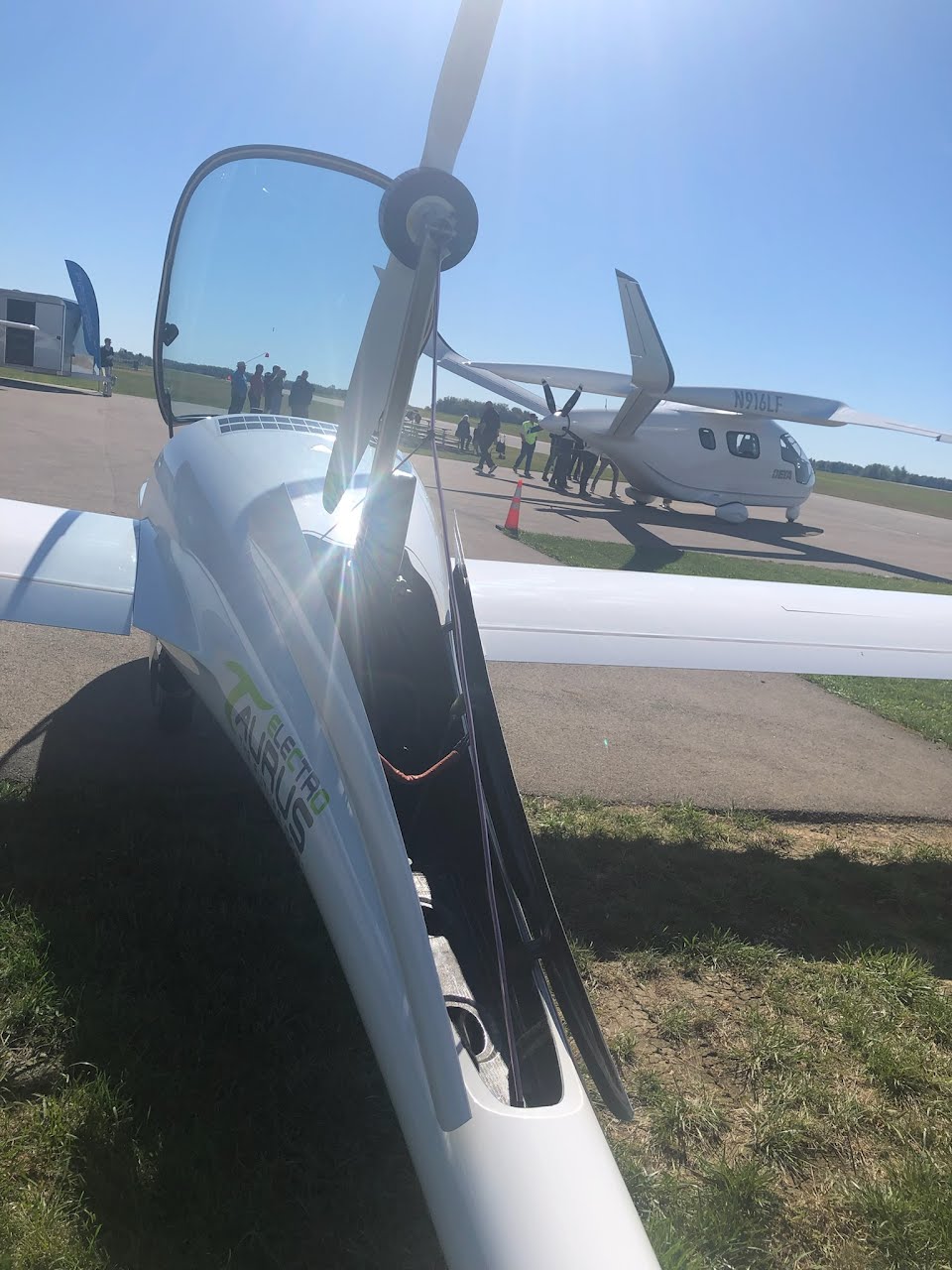
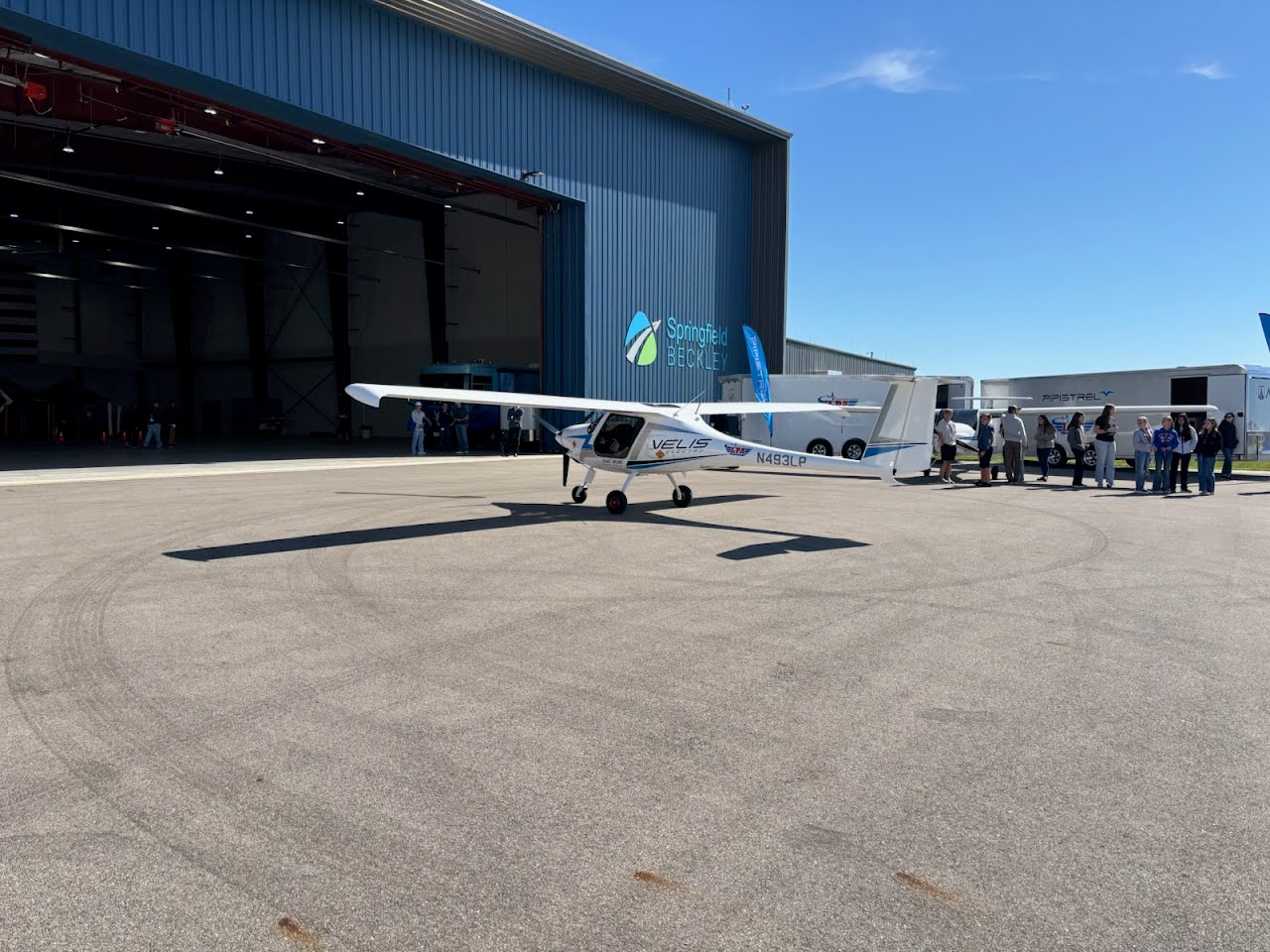
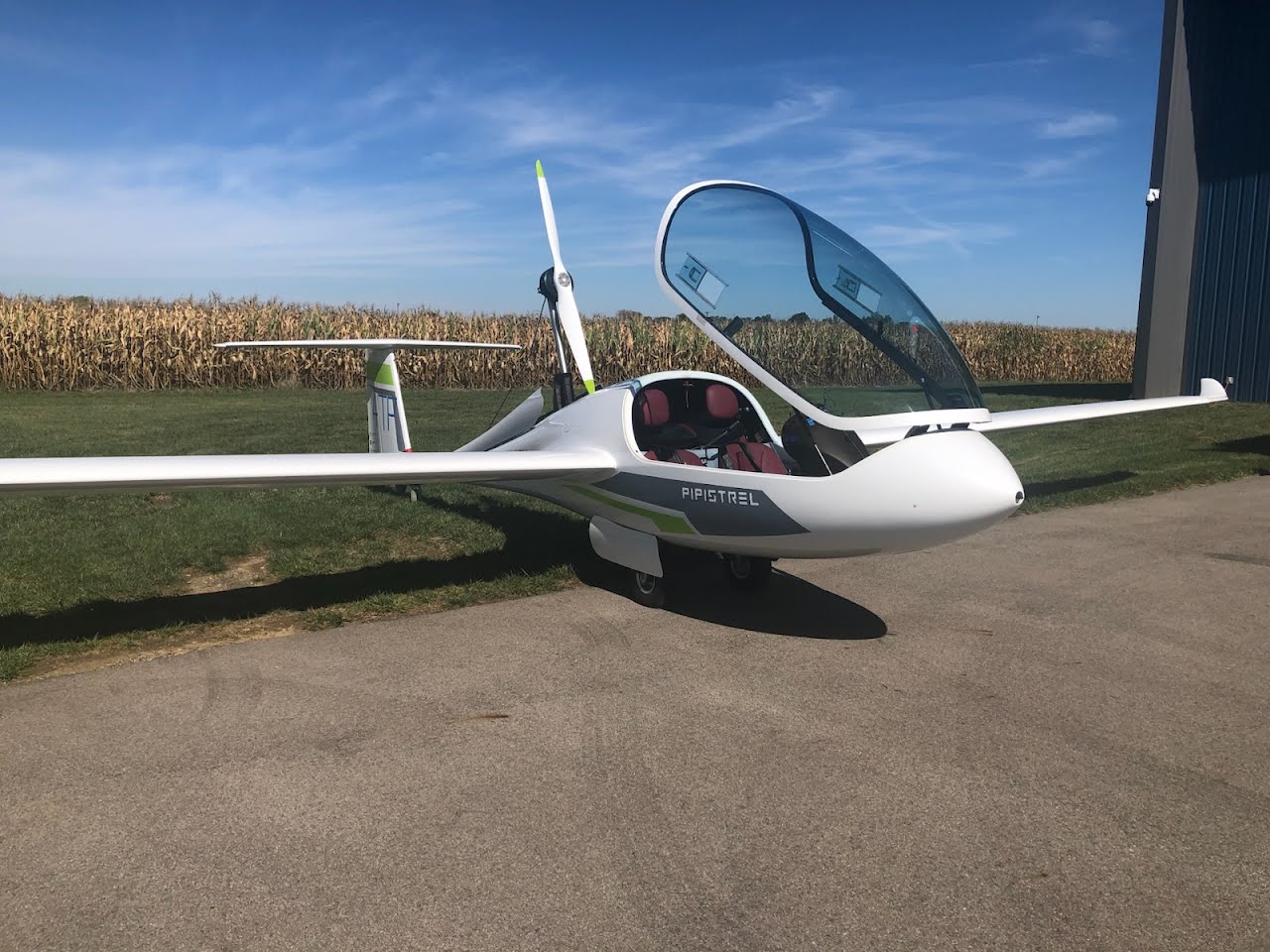
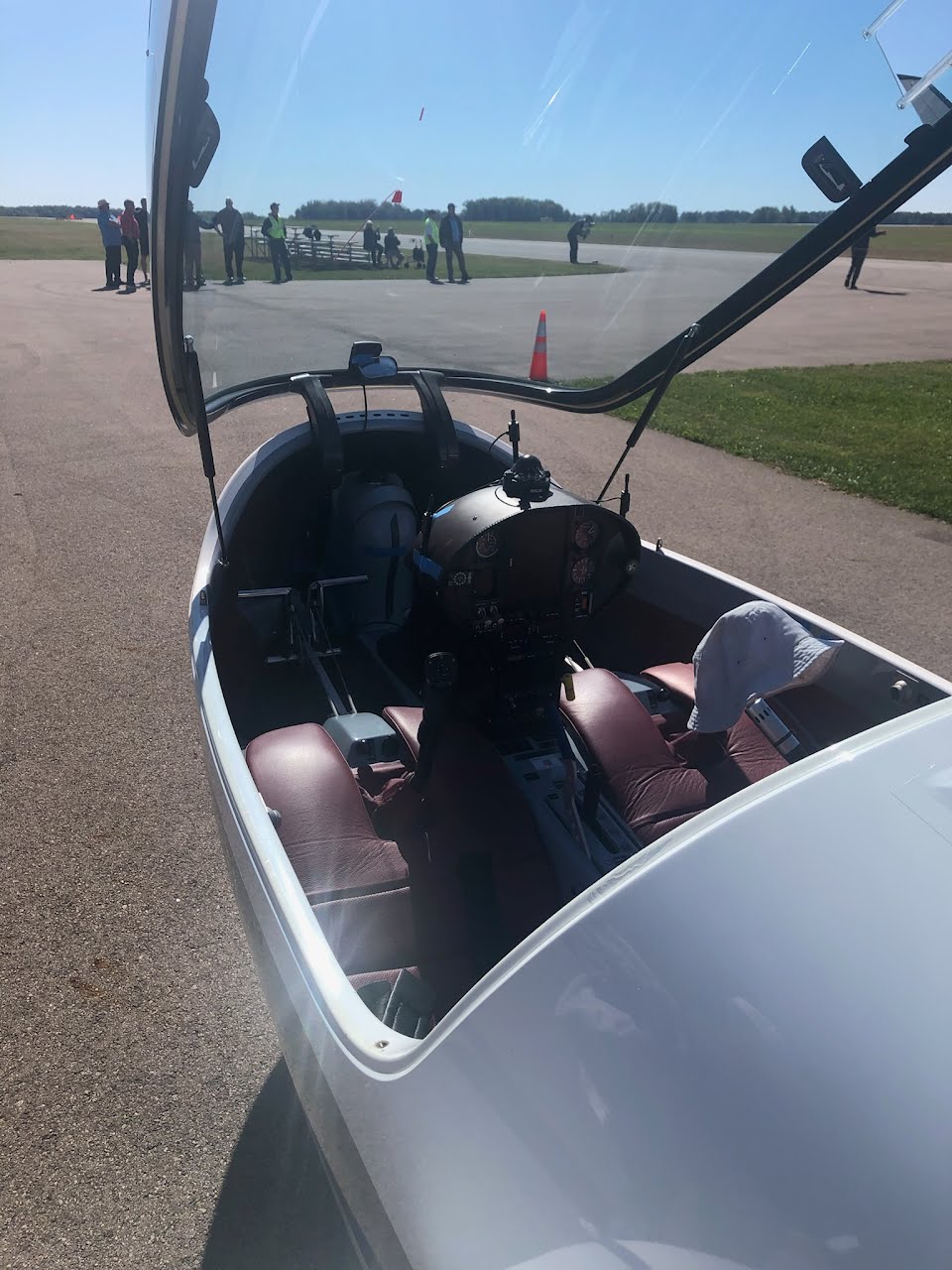
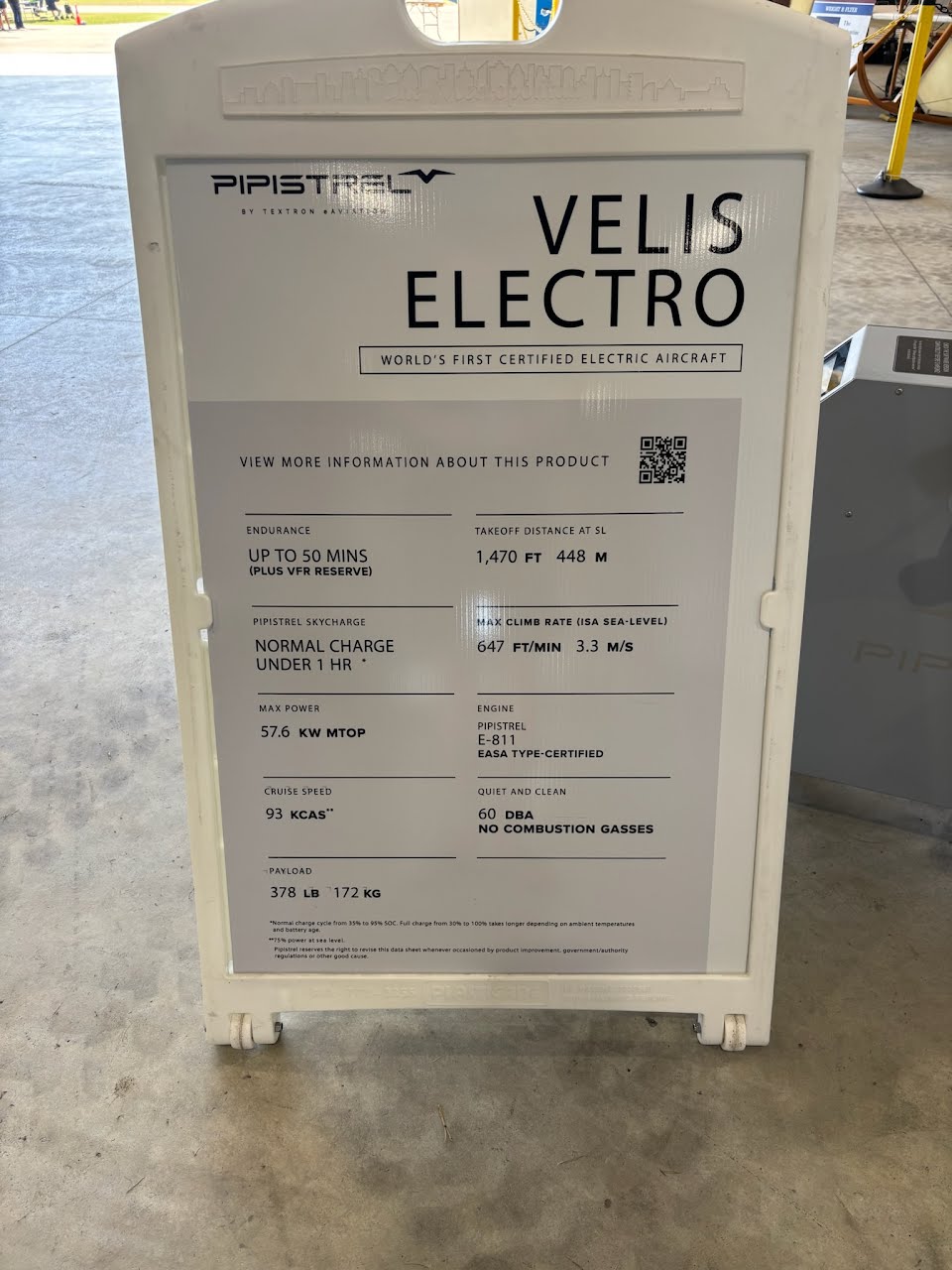
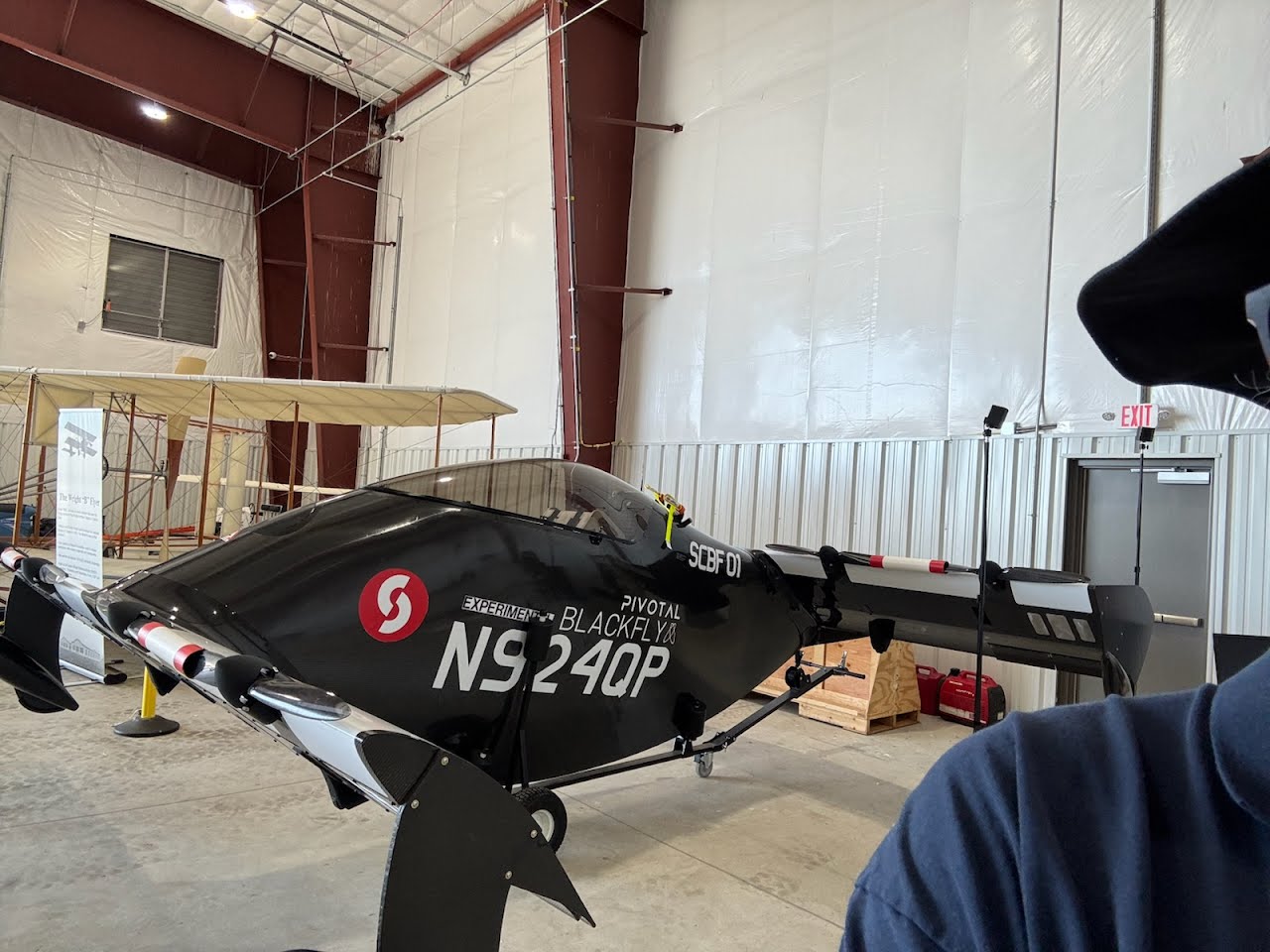
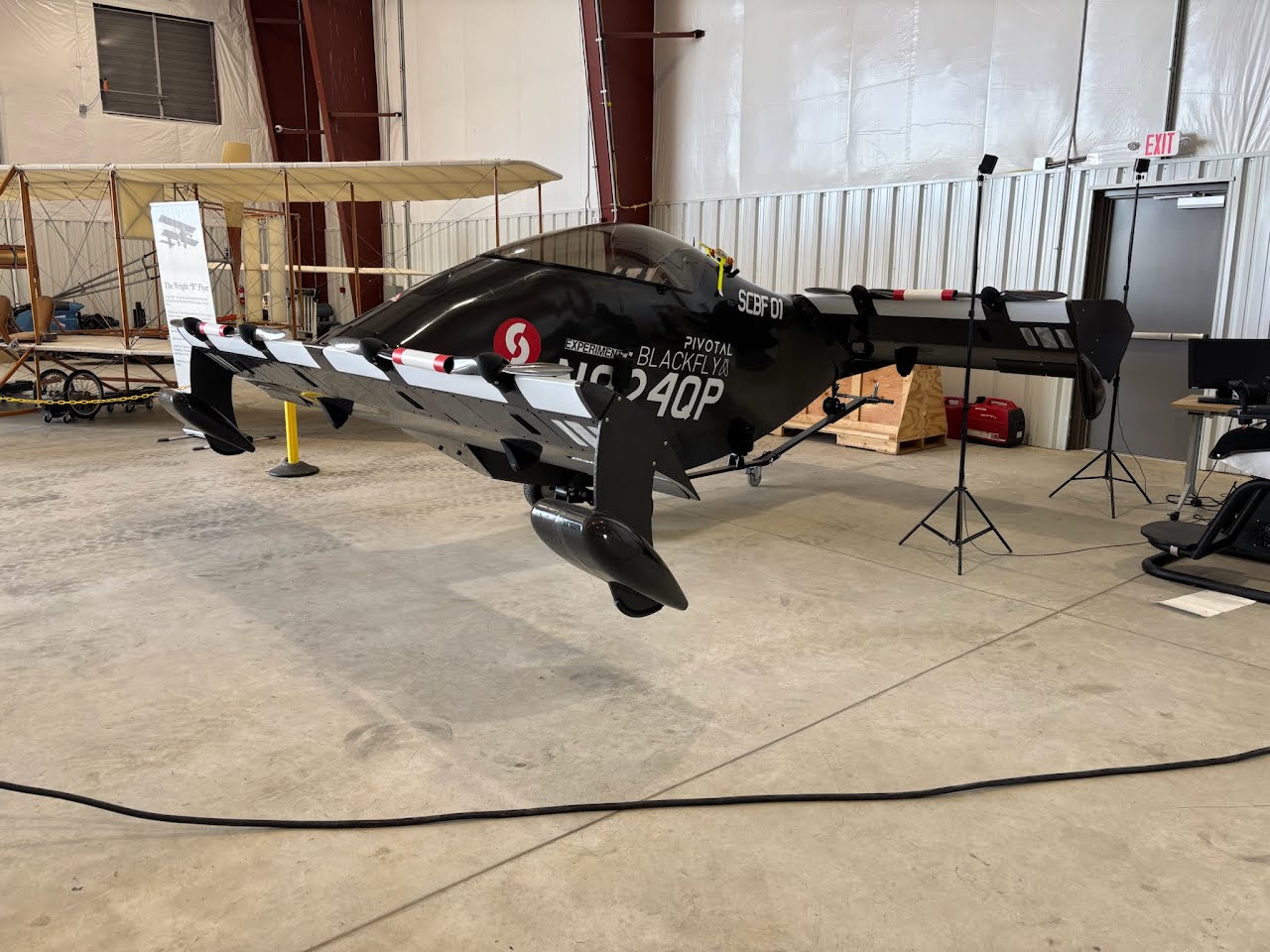
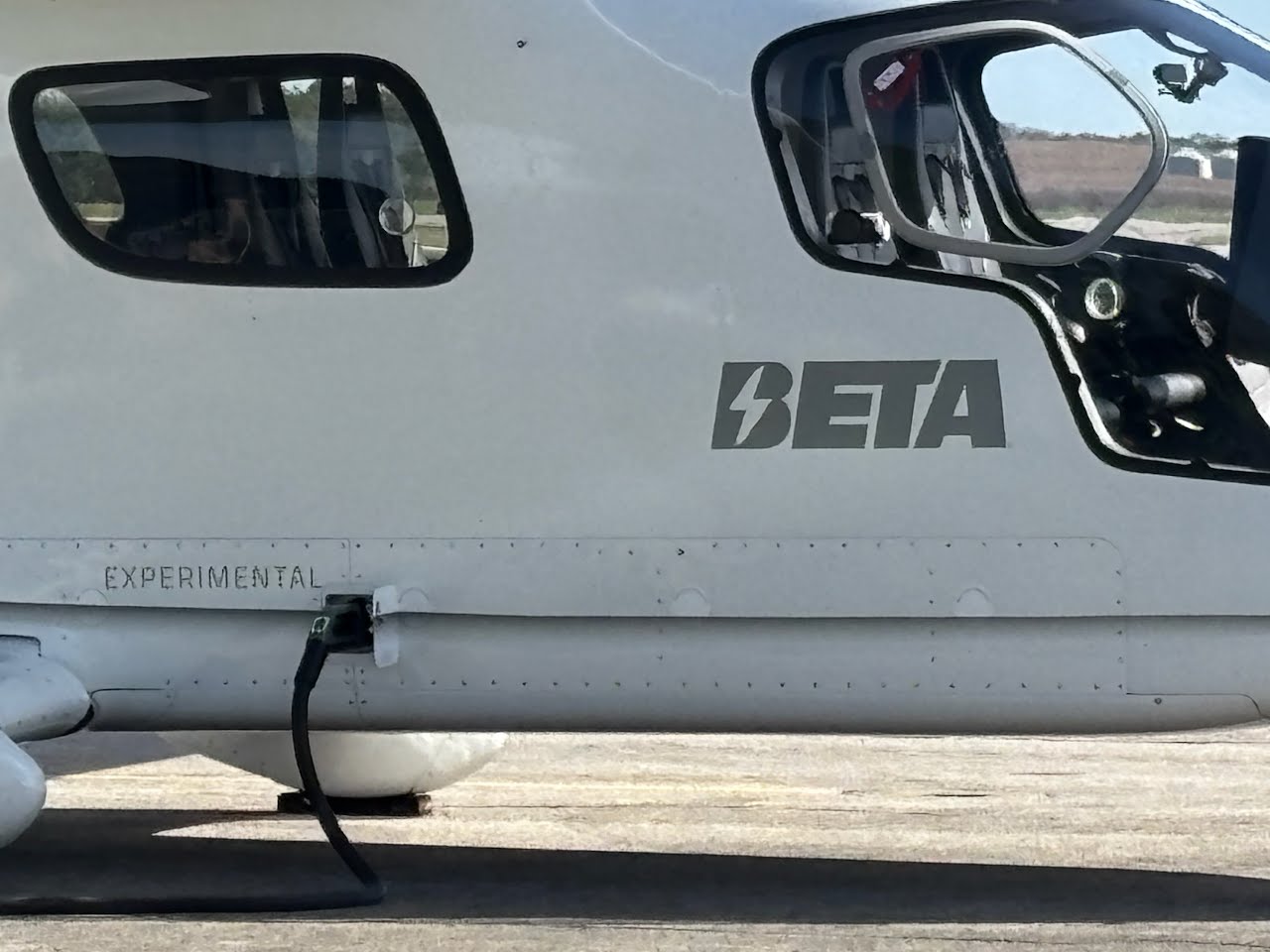
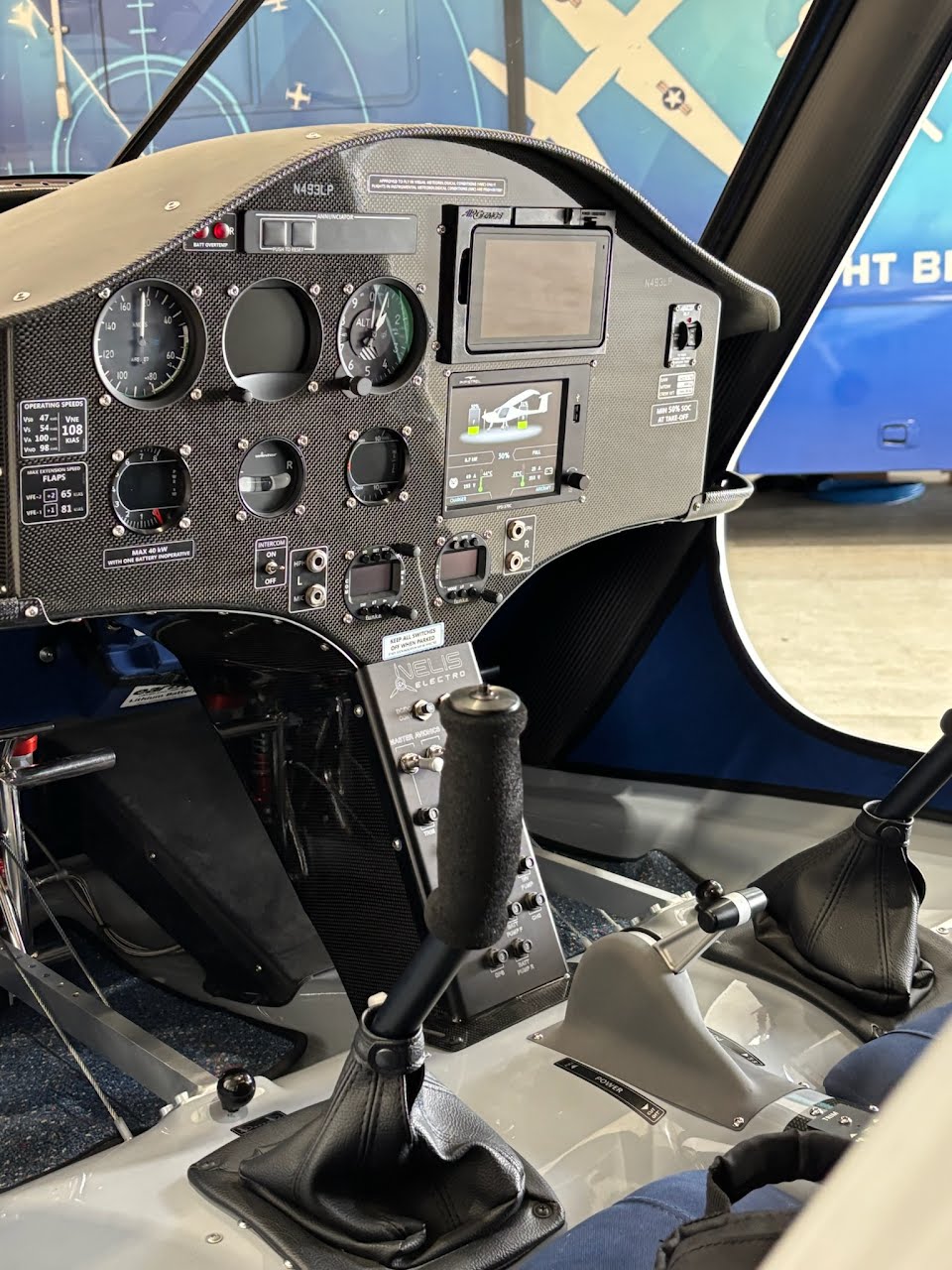
Results tell part of the story. BETA Technologies’ CX300 Alia eCTOL, flown by Tyler Prather, posted the winning pace at 0:19:50 (132.97 knots). Second place went to Jakki Galella in a Pipistrel Velis Electro at 0:26:38 (99.85 knots). Third was Henry Stanley, also in a Velis Electro, at 0:28:56 (91.91 knots). Semi-finalists included Adam Twidell (0:27:28; 96.82 knots), Art Siordia (0:29:03; 91.54 knots), Kevin Douglass (0:29:11; 88.35 knots), and Gloria Bouillon (0:30:09; 88.20 knots).
A CAP-ready learning lab
Electric flight sharpens fundamentals. Pilots plan and brief energy reserves with the rigor we apply to fuel, track winds and climb profiles with discipline, and fly the course at prescribed altitudes (minimum 1,500 feet AGL; 1,000 feet AGL permitted on the final leg within 5 nm) using standard procedures. This creates a living classroom for cadets to practice meteorology, mission planning, risk management, airspace communication, and post-flight debriefs.
Role models in the cockpit and on the ramp
The most powerful scenes were the people: young teams—particularly women—serving as pilots, crew chiefs, and ops leads. When cadets can watch a peer-age pilot like Jakki Galella place second in a national event, it normalizes the path from aerospace education to real-world leadership.
Race format & safety
The Pulitzer Electric Aircraft Single Site Legacy (SSL) race is a closed-circuit competition flown in three-aircraft preliminary and semi-final heats leading to a final. Each heat comprises two laps of a 25-nm triangular course; speeds are computed from a direct 50-nm distance against recorded time using GPS flight data recorders. Aircraft must be fully electric, zero-emission, crewed aerodynes (eCTOL/eSTOL/eVTOL/e-rotorcraft/e-seaplane) with ADS-B Out, appropriate airworthiness certification, and licensed pilots (including FAI sporting licenses). Operations are limited to day VFR with conservative altitudes and standard right-of-way.
A full week of public engagement
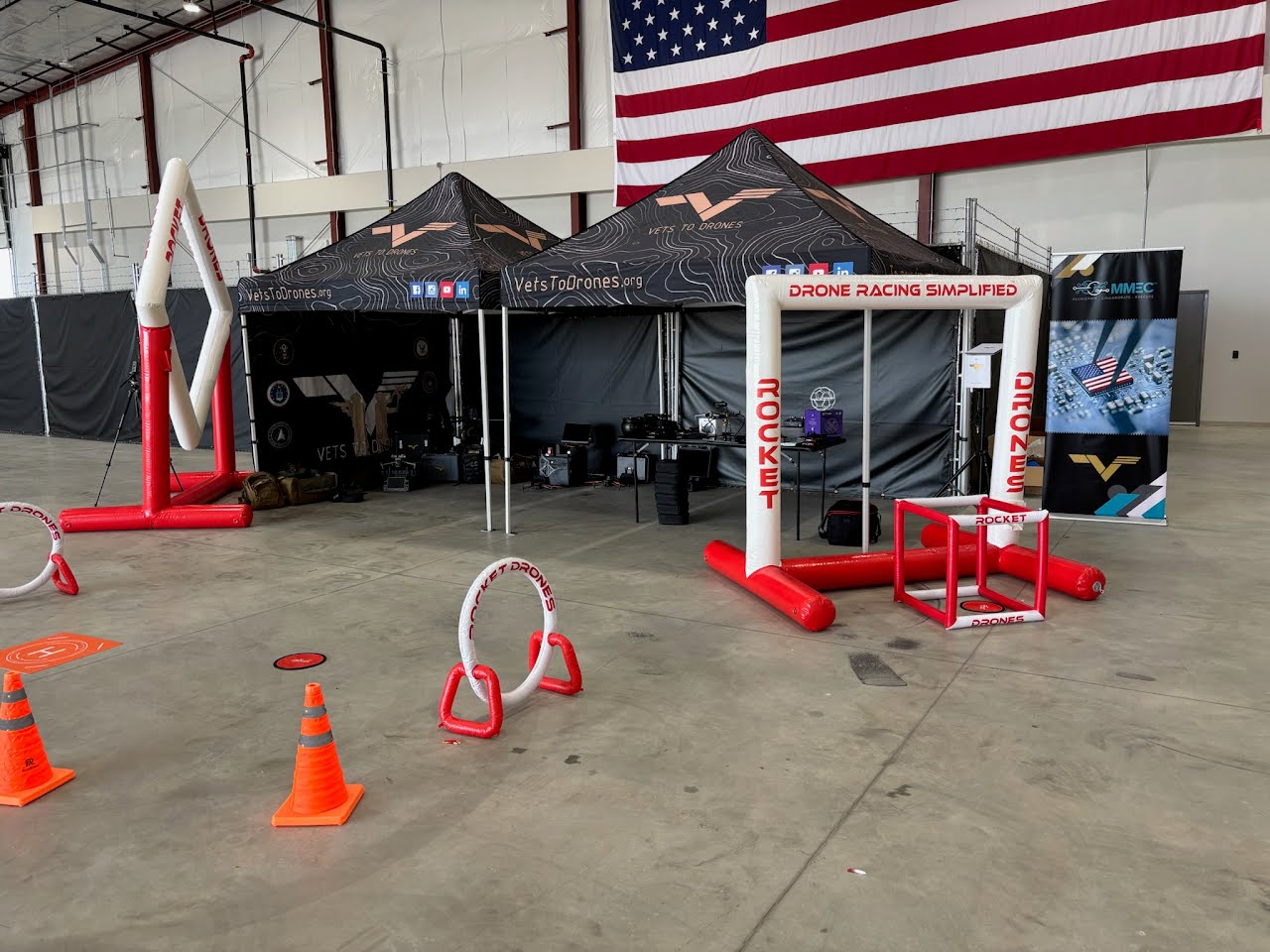
The race capped a broader lineup: a STEM Education Day, world aviation record attempts, the Pulitzer Centennial Race, a community town hall, and a National AAM Industry Forum. The intent is explicit—build public acceptance for Advanced Air Mobility by demonstrating safe, reliable operations in front of ordinary citizens.
How a squadron can activate now
- Host an Electric Aviation Day: pair static aircraft displays with briefings on energy management and safety.
• Build a cross-functional team (Operations, Safety, Logistics, PAO) to run the event at your local airport.
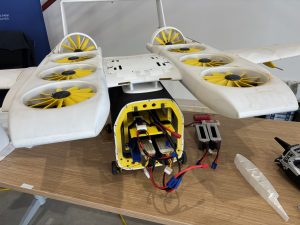
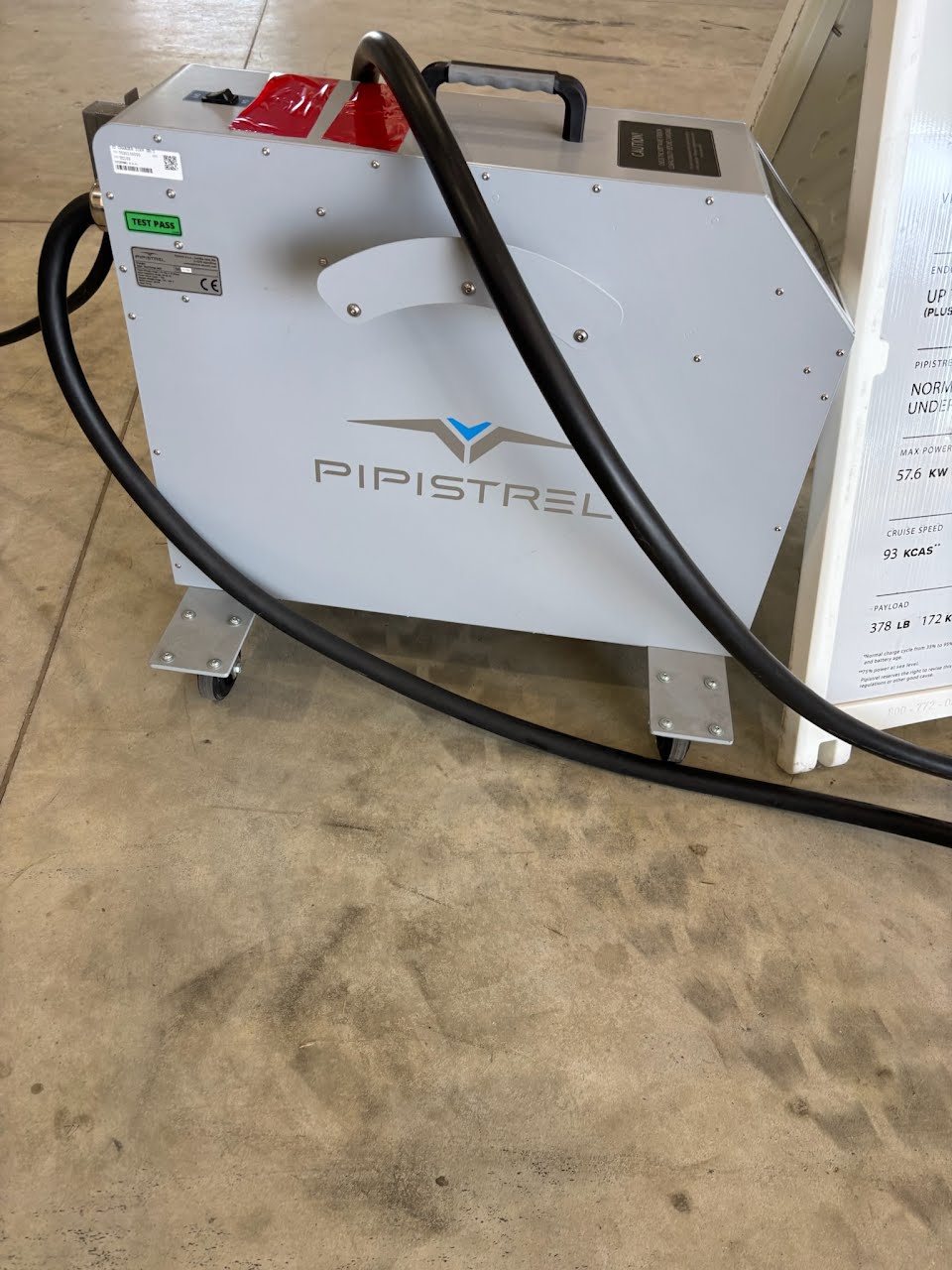
• Integrate e-aviation modules into aerospace education: batteries and powertrains, human factors, charging logistics, ADS-B flight following.
• Invite local airports, flight schools, and AAM partners to co-host and mentor cadets; connect to national partners through the Advanced Air Mobility Institute.
Why CAP is a perfect fit
CAP’s mission—serving communities, saving lives, and shaping the next generation—aligns naturally with responsible adoption of electric flight. Our cadets have the curiosity and discipline to lead, and the public trusts CAP to do it safely and professionally. The Pulitzer weekend showed the template.
Sources (editor reference)
PulitzerTrophy.com — Race results, schedule, and rules overview (accessed Jan. 27, 2026).
PulitzerTrophy.com/race-rules — SSL format, eligibility, altitudes, timing, and safety language (accessed Jan. 27, 2026).